

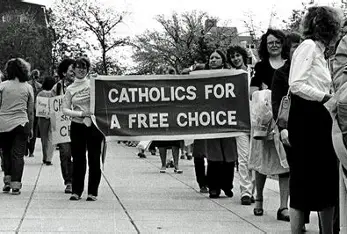
Rediscover the transformative faith and counterculture of the 1960s
A student research and multimodal digital archive examining the spiritual revolutions, institutional reforms, and grassroots religious movements that reshaped American culture.
Core research themes
Our undergraduate research project delves into four distinct dimensions of 1960s spiritual life, tracing how cultural friction and social justice altered modern religion.
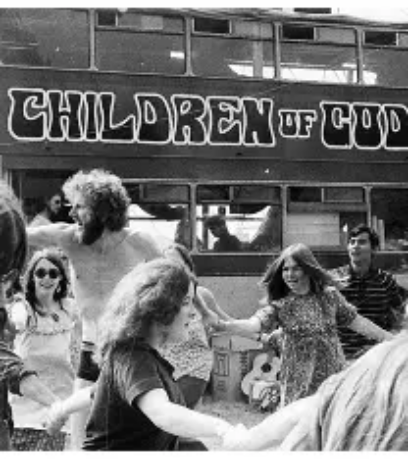
Cult followings and behaviors
Analyze the vital role extremist religious groups played within the United States of America, including the Manson Family, the Children of God, and the Peoples Temple.

Vatican II and Catholic renewal
Discover how the Second Vatican Council modernized liturgical practice, engaged the contemporary world, and sparked debate among the laity.

Eastern philosophies in the West
Examine the rise of Zen Buddhism, Transcendental Meditation, and Hindu thought adopted by youth counterculture seeking mystical alternatives.

Religious Movements
Follow the emergence of street preachers, communal living, and the birth of contemporary Christian music that merged hippie ethos with evangelicalism.
"The 1960s demonstrated that religious tradition was not static; it became the very ground upon which ordinary people reimagined society and moral responsibility."
Spiritual Sixties project reflection, Flint, Michigan
An interactive multimodal archive
Developed for our college research project, this project integrates primary sources and visual essays. Dive into our multimodal components to experience how sound, imagery, and written discourse intersected during a turbulent decade.
Frequently asked questions
Find quick answers about our research methodology, source selection, and the academic scope of this college group project.

Project contact
Spiritual Sixties Research Project
Flint, Michigan 48532
Get in touch
Create Your Own Website With Webador