

Timeline of events
Explore the transformative decade of the 1960s through chronological landmarks in religious innovation, institutional reform, and alternative spiritual movements. This multimodal timeline combines vintage archival photographs, period book excerpts, and historical broadcasts to trace how new belief systems and spiritual communities emerged and branched across the era.
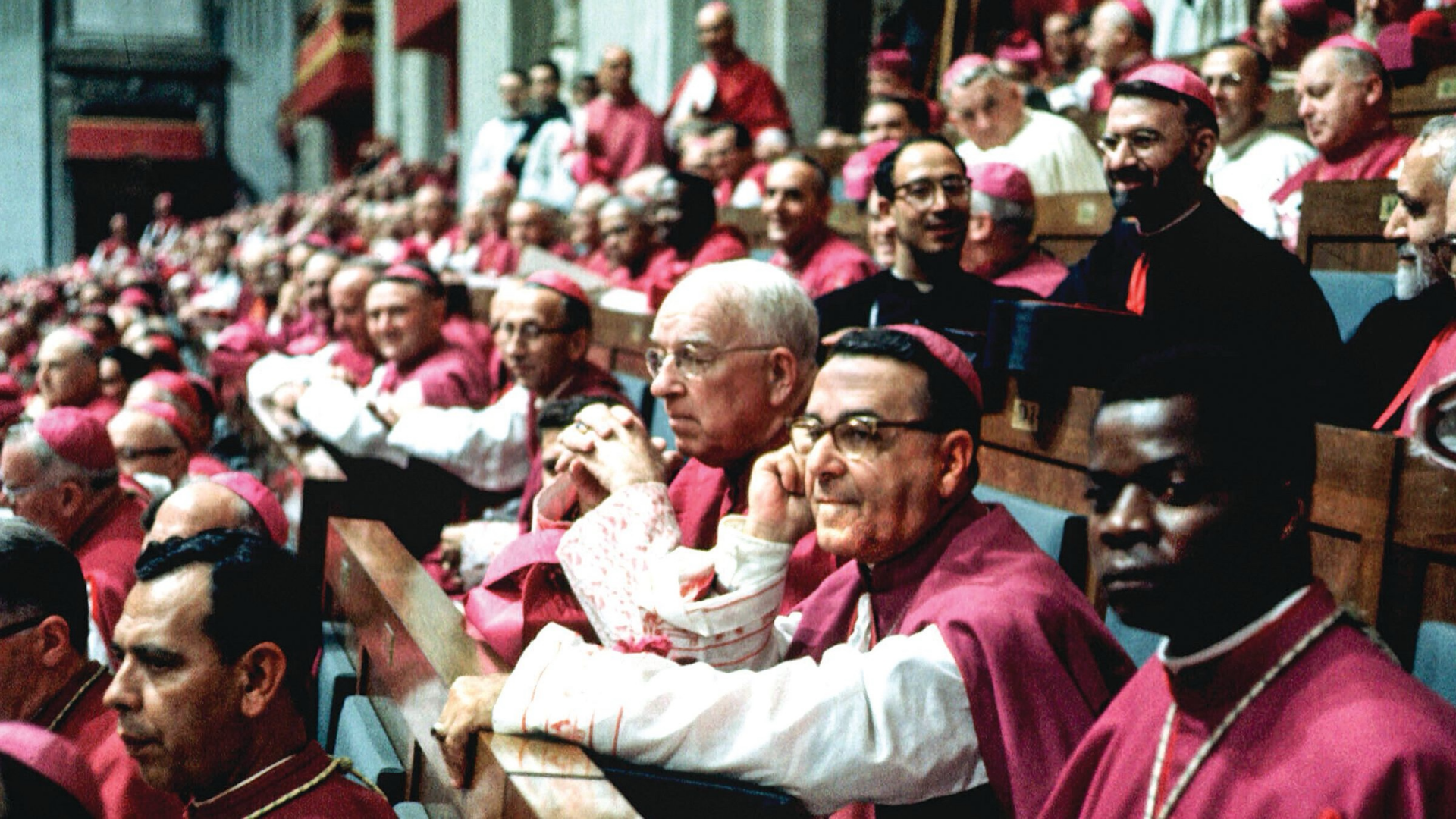
1962–1965: Vatican II and institutional shifts
Convened by Pope John XXIII, the Second Vatican Council fundamentally reshaped modern Catholicism by opening traditional dialogue with other world religions and modernizing liturgical practices into vernacular languages. This watershed moment marked an unprecedented institutional reckoning, establishing a climate of spiritual re-examination that paralleled the burgeoning search for new spiritual identities throughout the mid-1960s.
1965–1966: Eastern traditions take root
In 1966, A.C. Bhaktivedanta Swami Prabhupada founded the International Society for Krishna Consciousness (ISKCON) in New York City's East Village. The rise of Hare Krishna captured the imagination of urban youth and counterculture circles, demonstrating how Eastern philosophies, communal devotion, and public chanting could cross geographic boundaries to reshape the spiritual landscape of North America during the height of the decade.
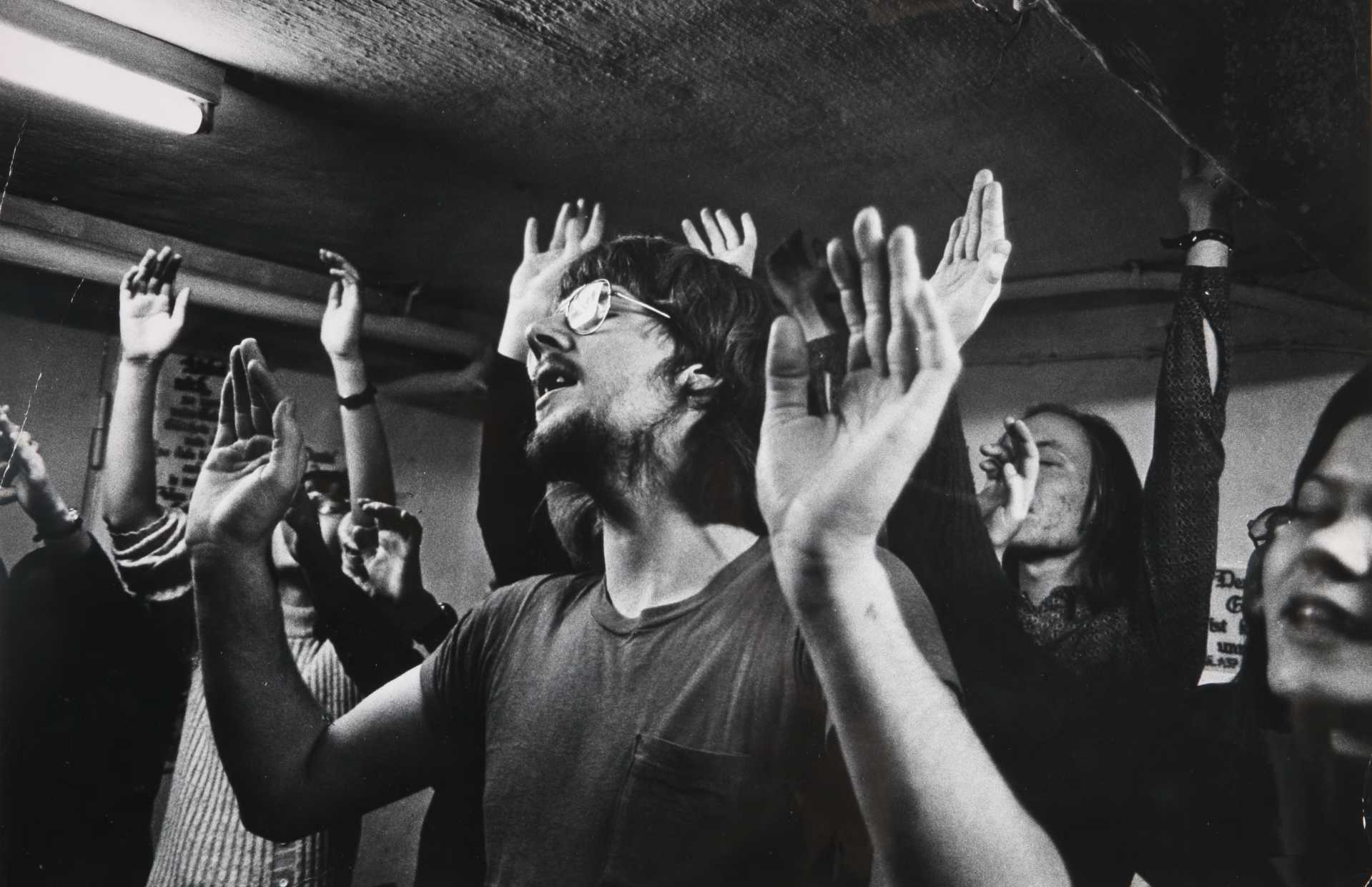
1968–1969: Communal movements and divergent paths
As the decade closed, unconventional religious experiments and alternative communities accelerated nationwide. Groups such as the Children of God and Jim Jones's Peoples Temple gained momentum by offering radical communal belonging, while countercultural figures like Charles Manson twisted esoteric spirituality into destructive fringe groups. Tracing these concurrent movements illuminates how social disillusionment catalyzed disparate, often volatile spiritual journeys by the end of the 1960s.
Create Your Own Website With Webador